


M. Freddy: Hi Kasia! During my last interview with Aaron Wilder, he highly recommended speaking with you. I know you are taking part in an artist residency at the Elf School of the Arts in Hayesville, North Carolina, so thank you so much for taking the time to talk with me today. Kasia, I am incredibly envious of the amazing sunshine and lakeside view you have over there in the middle of Winter.
M: For those who are not yet familiar with Kasia’s work, Kasia is the Assistant Professor of Sculpture at the University of North Carolina Greensboro. She has exhibited internationally, including at Gallery Olivier Waltman in Paris, Superposition Gallery in Los Angeles, and the NYFA-sponsored Immigrant Artist Biennial (TIAB). She is also the recipient of numerous prestigious awards, such as the Paul-Louis Weiller Sculpture Award from the Académie des Beaux-Arts in France, and the European Cultural Foundation R&D Grant for Projects in Public Spaces.
M: You have had an incredible career. Can you tell us more about your path into the arts?
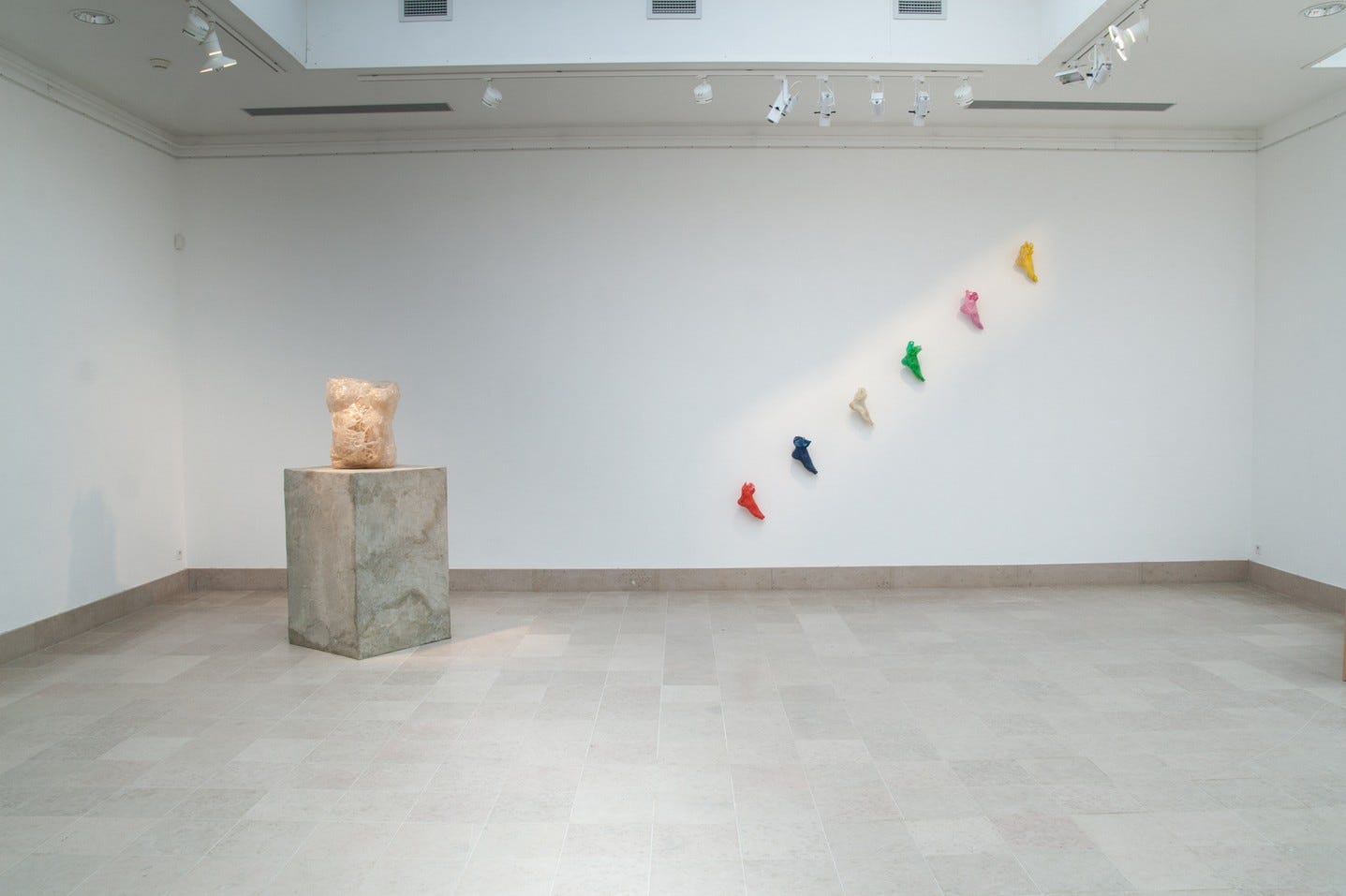
Kasia Ozga: I have always made art and am really lucky to have grown up in a family of architects and interior designers that supported my interests when I was young. I’ve always been drawn to art as a method to create dialogues between disciplines and points of view. As an undergrad, I did a combined degree program with a Studio Art BFA from the Museum School and a BA in International Relations from Tufts University. Afterwards, I moved abroad because I was hungry to learn more about different approaches to making. Even though I work across media, my practice is grounded in the physicality and presence of sculpture. While living in France, I began producing temporary and permanent public art, after working on a series of large-scale environmental art projects in woven willow wicker in Poland, France, and in the Ukraine. Simultaneously, I developed a studio practice invested in materializing ecologies; I explore what functional objects, including packaging, garments, and tools, reveal about labor and power in our environments.
M: It is fascinating to hear about your family’s work in architecture. Site specificity is one of the key elements in your work. Do you see a relationship between your background in architecture and the site specific works you do today?
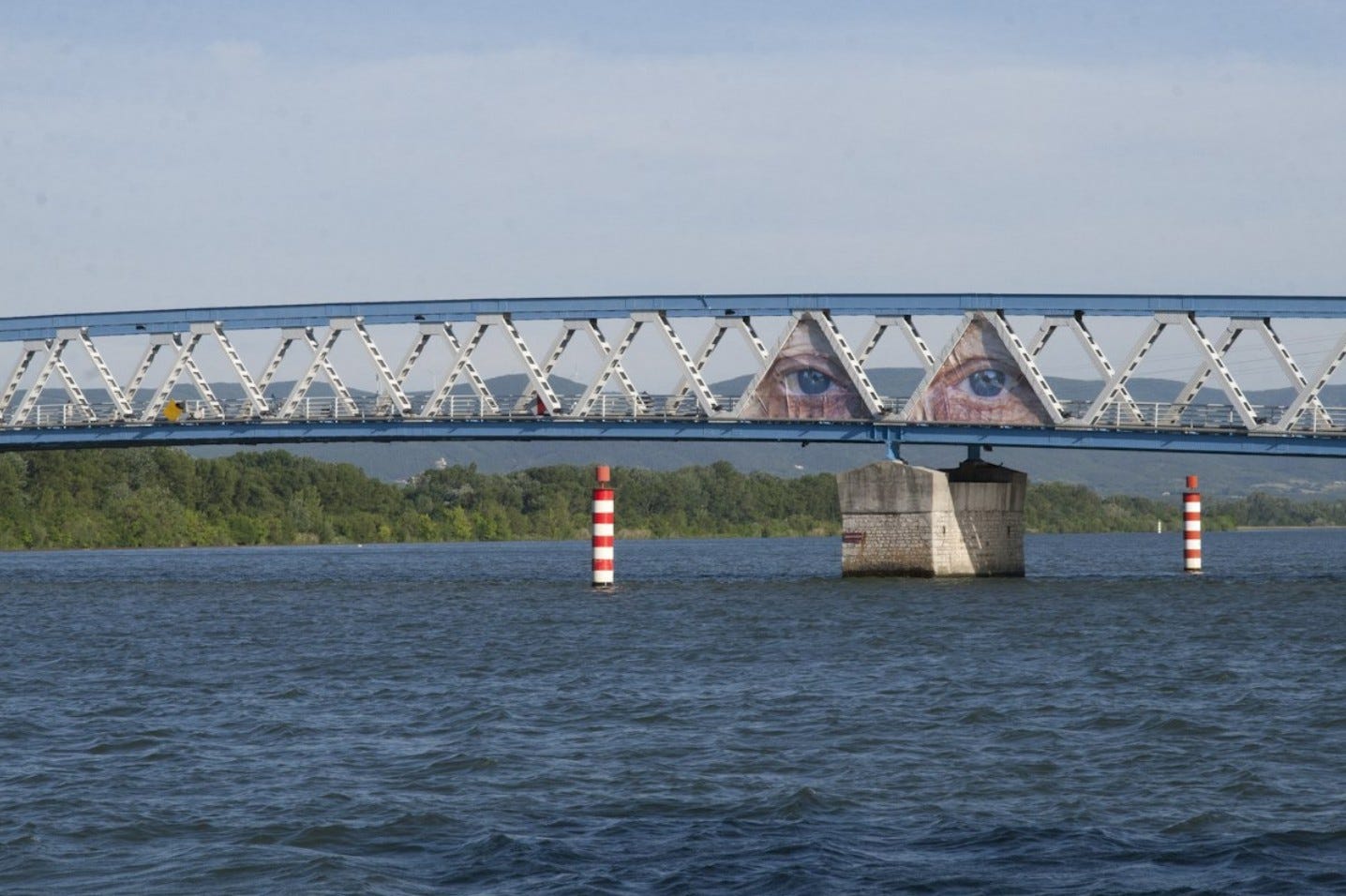
K: I was surrounded by blueprints and constantly touring construction sites, primarily for residential homes, from a young age. I appreciated the notion of a space as a work-in-progress; something that could be transformed (and transformative!) for its inhabitants. When I began making and writing about public art more frequently, I became interested in exploring how such artworks occupy spaces and create opportunities for different interpretations of the same site. I am interested in what conflict about public art reveals about viewers’ relationships to their bodies, historical time, and shared space.
M: I love that you have worked on a lot of site-specific pieces in the US and France. The art world can be quite different across the Atlantic Ocean, what is your experience like navigating those differences?
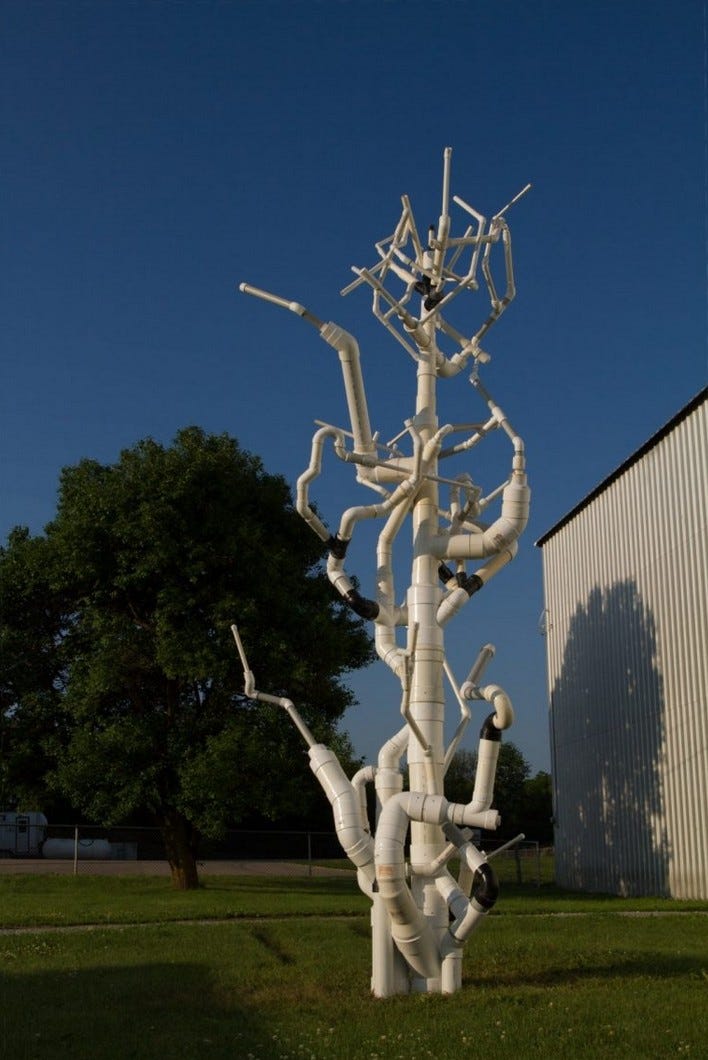
K: I really began my career with short-term environmental projects with relatively modest budgets in Europe. The culture sector there had particularly strong support for temporary public art and environmental art through residencies and exhibitions geared towards emerging artists and I was able to leverage relationships in Poland, France, and in the US into unique exhibition opportunities. While some of the formal mechanisms (calls for art and requests for proposals, etc.) are similar from one place to another, my communication skills in different languages and appreciation of cultural differences have enabled me to work successfully on projects in many countries.
M: Can you tell me more about your upcoming exhibitions? What is next for you?
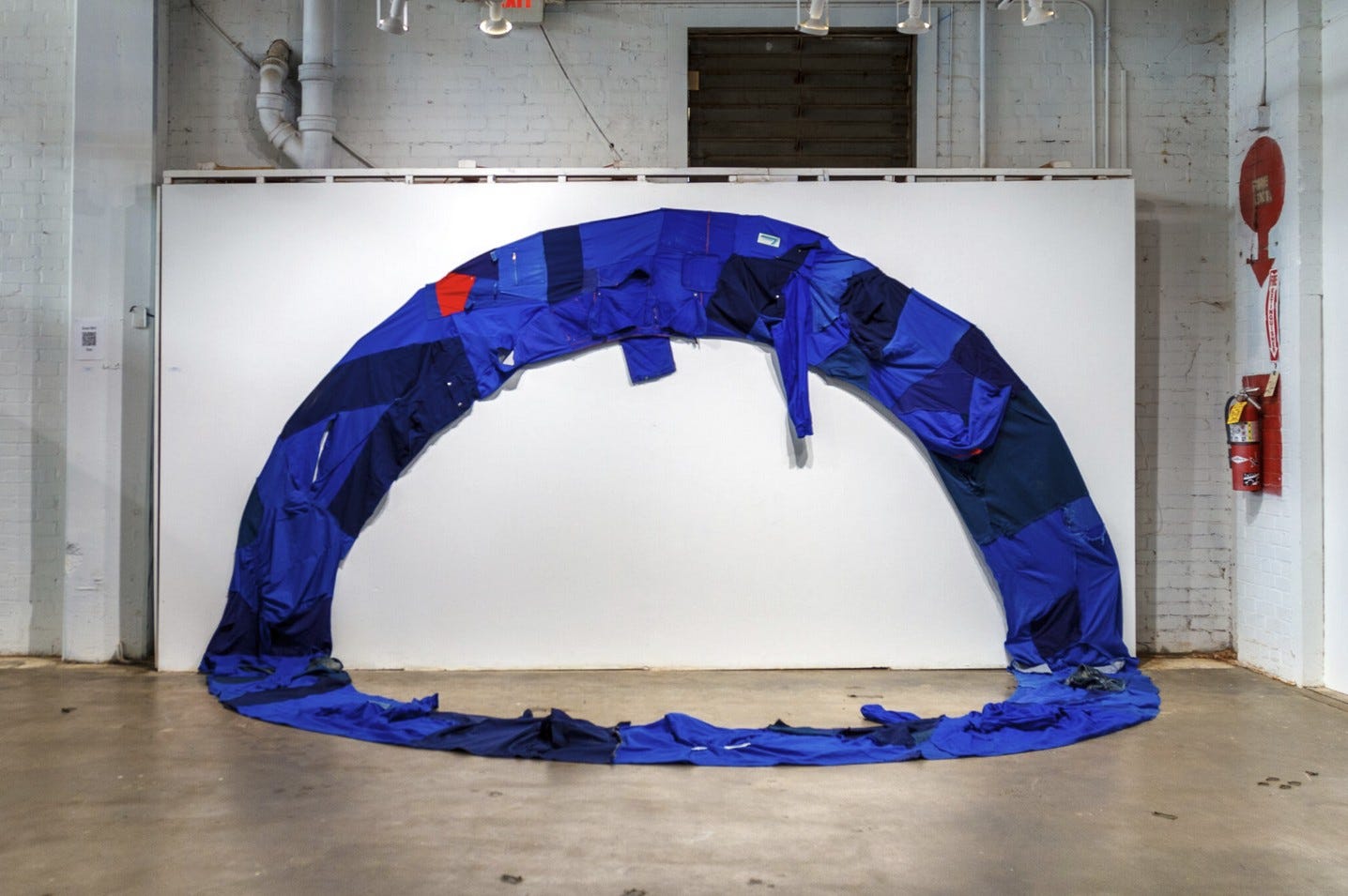
K: I currently have work in the group show, Belonging, at the A.D. Gallery in Pembroke, NC and am looking forward to a solo exhibition this Spring at the Central Gallery at Revolution Mill in Greensboro, NC which will open on 04/09. I am also working on a large outdoor public commission for the Art Complex Museum in Duxbury, MA, entitled “We the People” which will be on display starting in June of this year!
M: Exciting projects ahead. I always ask this question before we wrap up — is there someone you know who would make a great interviewee?
K: There are so many! Katie Hargrave makes research-based work related to public lands and policies that govern how we access them. I’m really drawn to her material choices and the stories she tells through her work. Brittany M. Søndberg is an artist currently working in North Carolina who makes these large airy abstract steel sculptures in public places and whose recent work I really admire! Naomi J. Falk makes parachute-like textile installations that explore the materiality of the medium in a really interesting way. R Kauff is a former colleague of mine at Oberlin College whose practice is grounded in print, but who also makes really exciting sculptural installations that alter and extend everyday objects.
M: Amazing, thank you so much for bringing attention to their work.
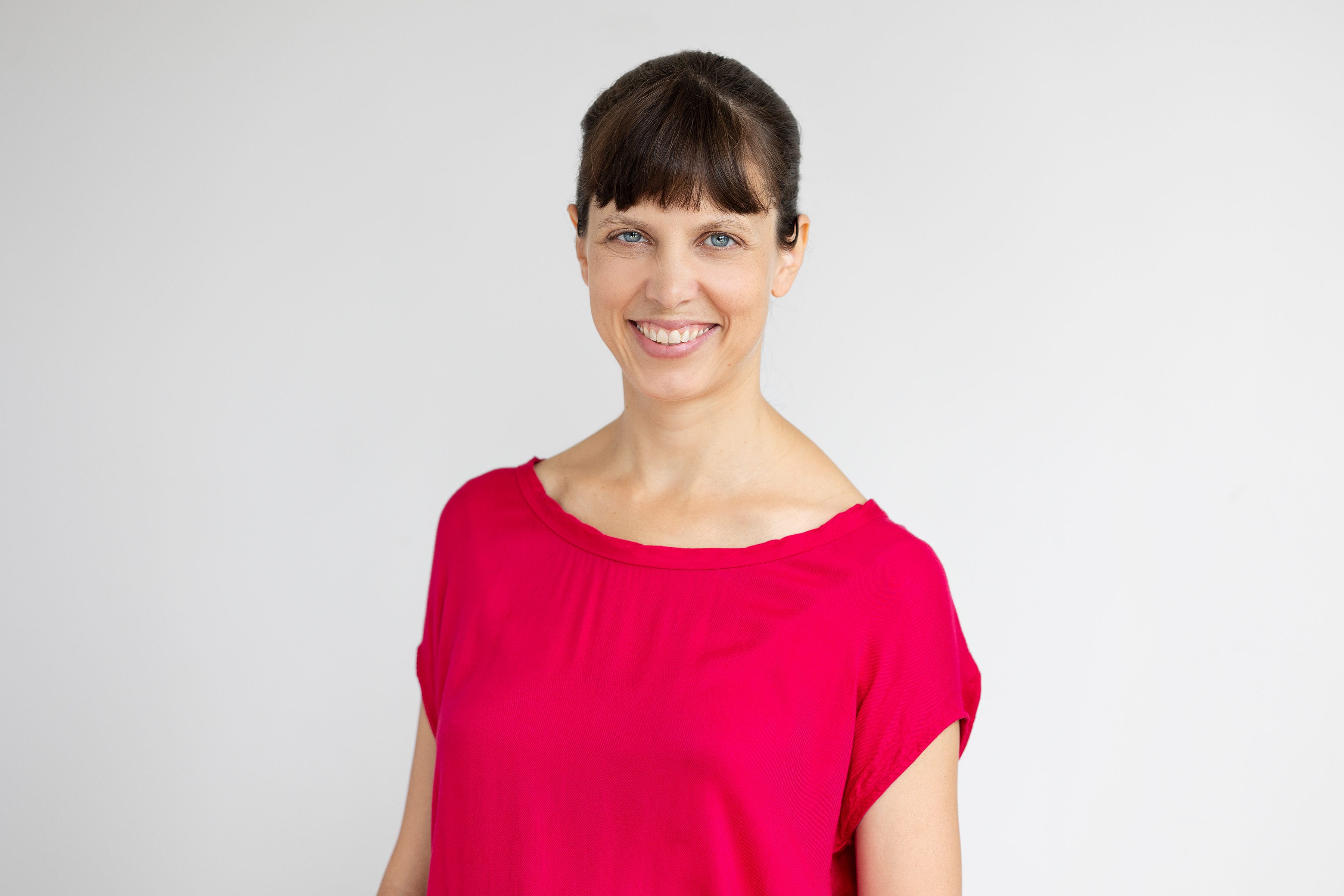
Kasia Ozga
My large-scale installations and sculptures are derived from cutting, breaking, gluing, carving, and sewing materials that reveal the many layers of our relationships to our environment and one another.
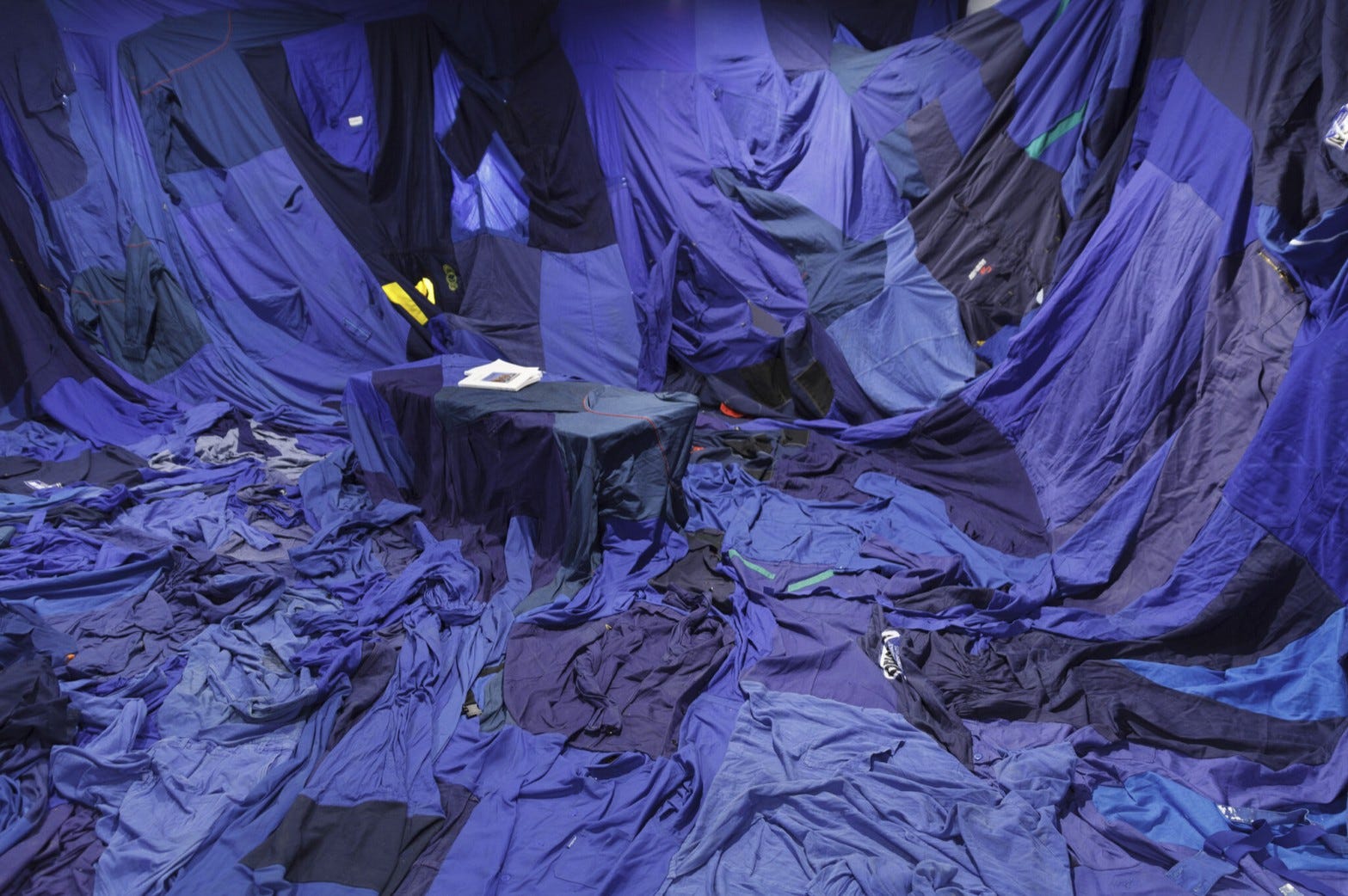
Inspired by Arte Povera, and Feminist and Site-specific art, my work blends the everyday with the uncanny. From photographs of human skin printed on vinyl to a tablecloth quilted from blue workwear, I’m always exploring how solid forms evoke movement and raising questions about how we live today.
I’ve always been intrigued by what connects people to a place; I was born in Poland, raised in the Midwest, and spent over a decade living and studying in France, and the movement of goods, from production and consumerism to waste and decay, is a recurring theme in my work.
I’m grateful for the opportunity to explore these themes thanks to numerous awards, fellowships and residencies, including most recently the North Carolina Arts Council Artist Support Grant, the Aide Individuelle à la Création Grant, DRAC Auvergne-Rhône-Alpes, and the Fondation Charles Oulmont Prize and residencies at the Elf School of the Arts (NC), Eden Summer Institute, and CLEA Val du Sambre.
I live in Greensboro, NC with my family, where I’m currently an Assistant Professor of Sculpture at UNCG.